IN THE SURROUNDINGS OF THE PINK STAR LUXURY APARTMENT
Wellness & Fitness
Obtain a comprehensive stretching of physical and mental.
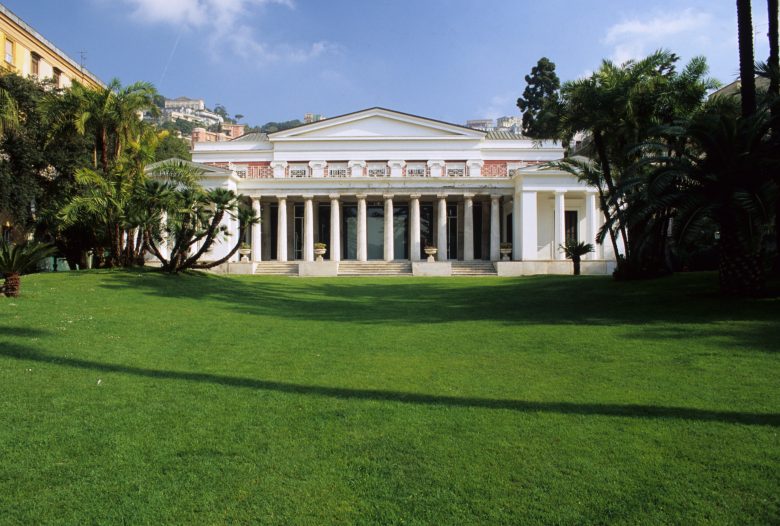
Villa Pignatelli
Located near Via Martucci, Villa Pignatelli is a 19th century noble residence transformed into a museum. It houses a collection of works of art and period objects, offering a window into Neapolitan history.
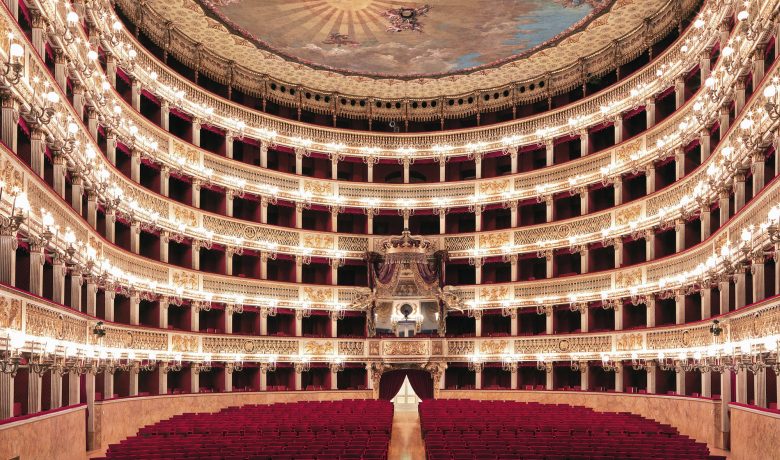
San Carlo Theater
About 2 km away, the Teatro di San Carlo is one of the oldest and most prestigious opera houses in Europe. Founded in 1737, it is an icon of the Neapolitan theatrical tradition.
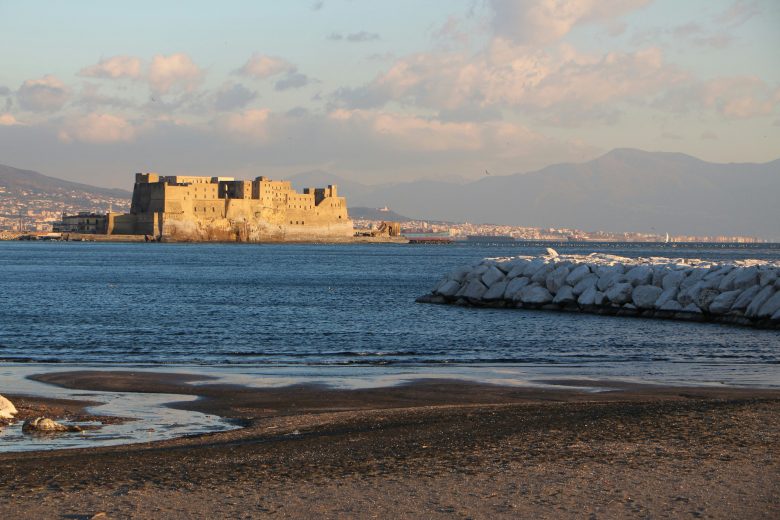
Castel dell'Ovo
It is a fortress located on the sea with a history dating back to Roman times. It offers a panoramic view of the Gulf of Naples and can be easily reached with a 20 minutes stroll along the seaside.
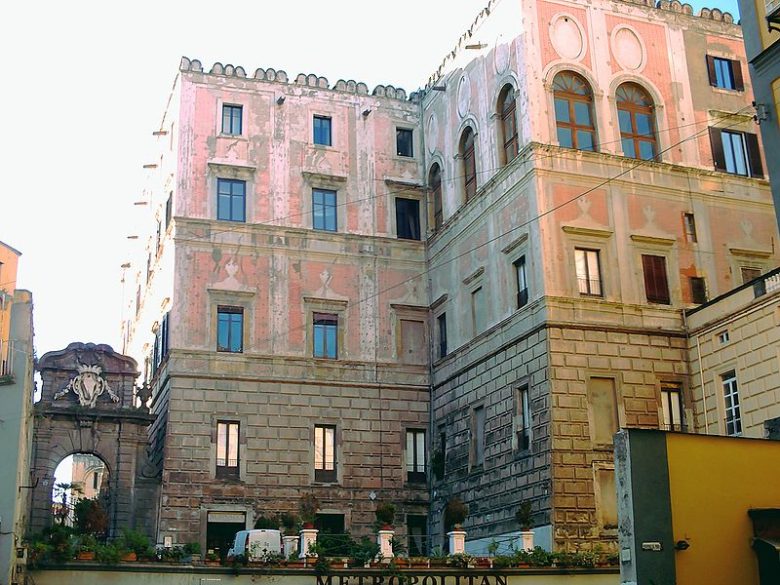
Cellamare Palace (or Palace of the Spaniard)
This baroque palace, built in the 17th century, is located near Via Chiaia not far from Via Martucci and is known for its architectural grandeur and its history linked to the Bourbon period.
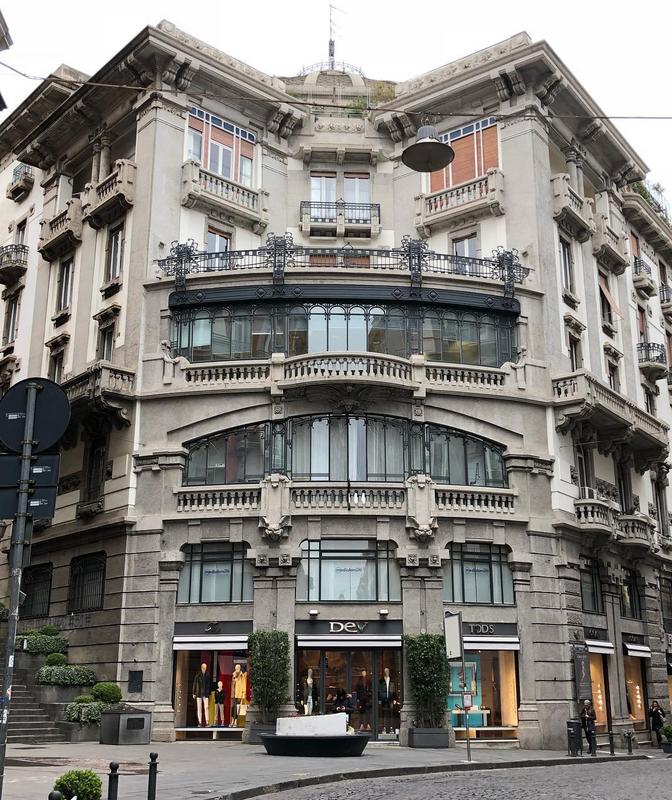
The Mannajuolo Palace
It is a palace in Naples located on Via Filangieri in the Chiaia district and is one of the most successful examples of Art Nouveau architecture in the city. The building's exterior speaks for itself; the interior, on the other hand, is spectacular due to the presence of the imposing spiral staircase. spiral is wrapped laterally by a decorative wrought-iron balustrade reminiscent of the Baroque style.
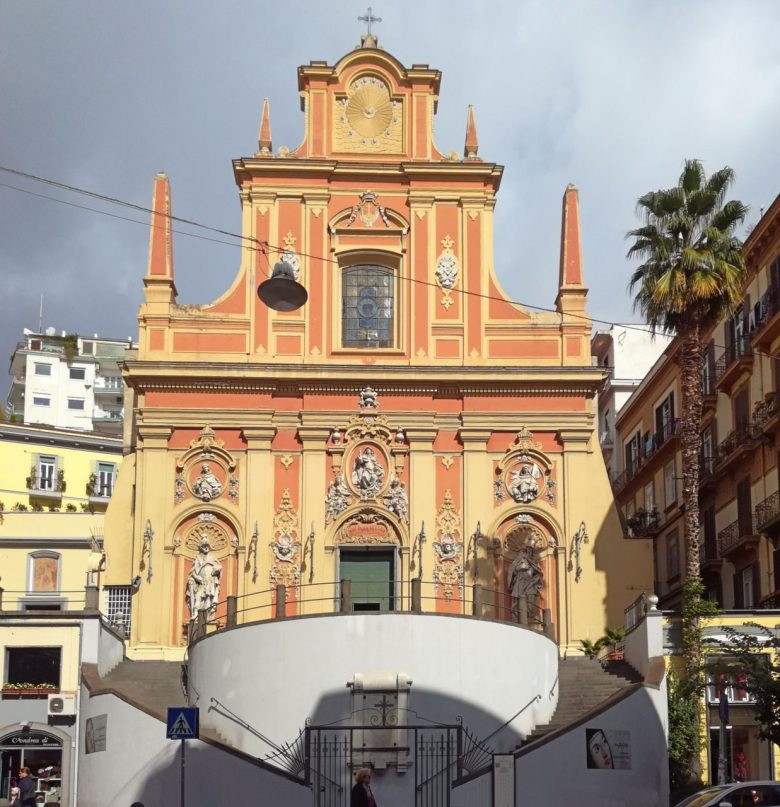
Church of Santa Teresa a Chiaia
It was founded by Brother Pietro of the Spanish community of Discalced Carmelites, presumably around 1602 on the piece of embankment garden purchased on the borders of the palace of the Duke of Nocera. It was rebuilt thanks to the generosity of the Neapolitans, including the noblewoman Isabella Mastrogiudice; the project was entrusted to the architect Cosimo Fanzago (1650-1662).
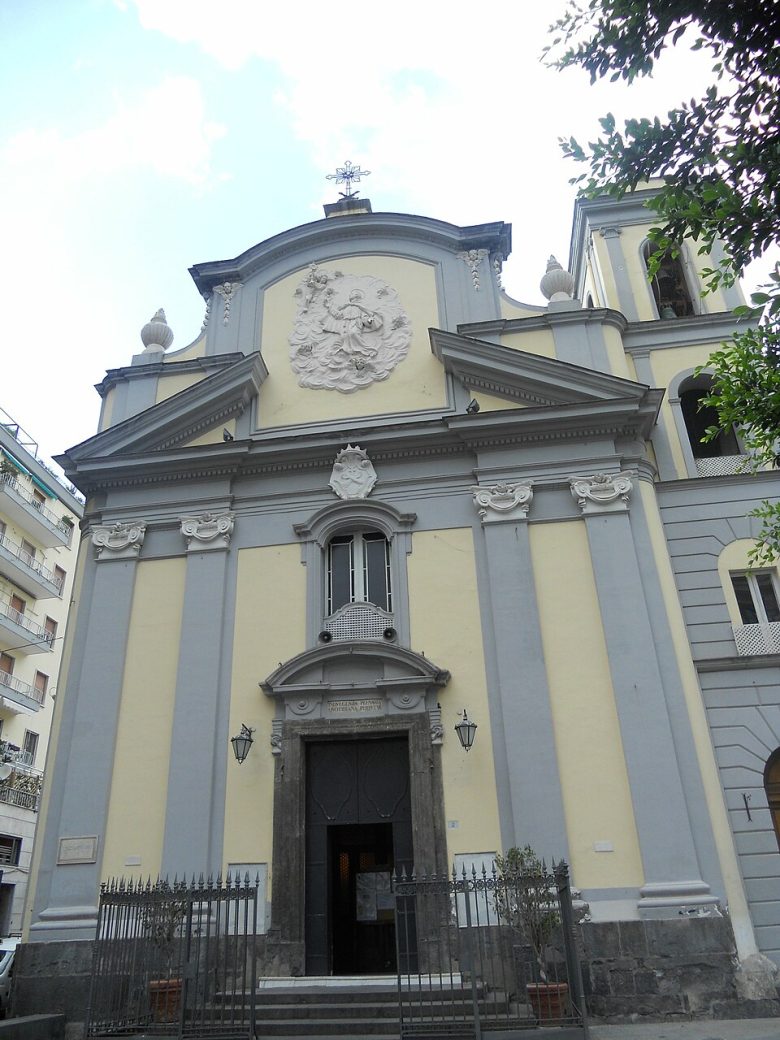
Church of San Pasquale a Chiaia
The church and convent of San Pasquale a Chiaia were built in 1749 by the will of the sovereigns Charles of Bourbon and Amalia of Saxony as thanks to the Saint (to whom they were very devoted) for the birth of the male heir. The project was drawn up by the Indian architect Antonio Borbone (an Indian who had King Charles as his godfather, thus inheriting his surname), while Giuseppe Pollio took care of the management of the construction site. Initially the church had a Greek cross plan with an entrance from the side; later, in 1762, it was enlarged with the extension of the nave and the addition of the main facade. Subsequently, between 1820 and 1826 a new flooring was installed, the work of the marble master Raffaele Trinchese. At the beginning of the 20th century, a mosaic decoration celebrating the Saint was created on the vault of the apse basin, subsidized by a group of nobles, notaries and lawyers.
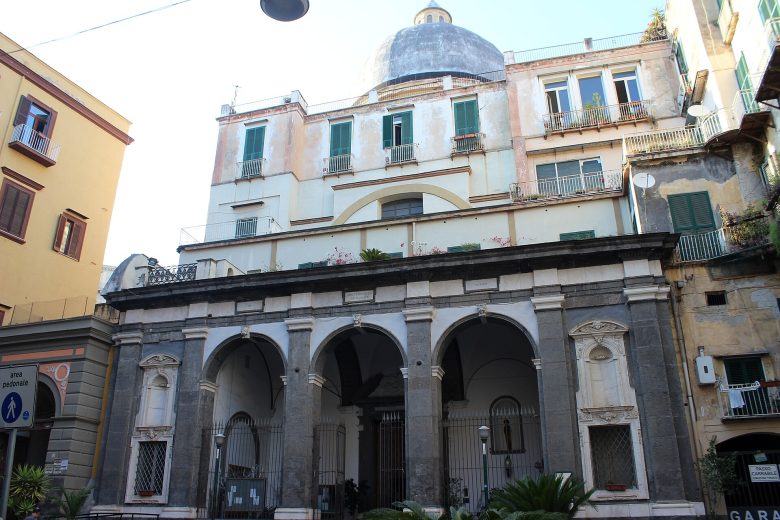
Church of the Ascension in Chiaia
It was built in the 14th century, in a marshy area (to the point that it was initially called the Church of the Ascension of pestilence in the Neapolitan area), under the reign of Robert of Anjou and was entrusted to the Celestine order. A plaque commemorates the founder Niccolò di Alife.
Despite the indulgences granted by Popes Clement VI first and Urban VI later, the church fell into disrepair and the adjoining monastery was gradually abandoned by the monks, until, in 1622, its rebuilding was begun by an ex voto perpetuated by a nobleman of the time, Count Miguel Vaaz of Mola, with the final rearrangement by Cosimo Fanzago in 1645.
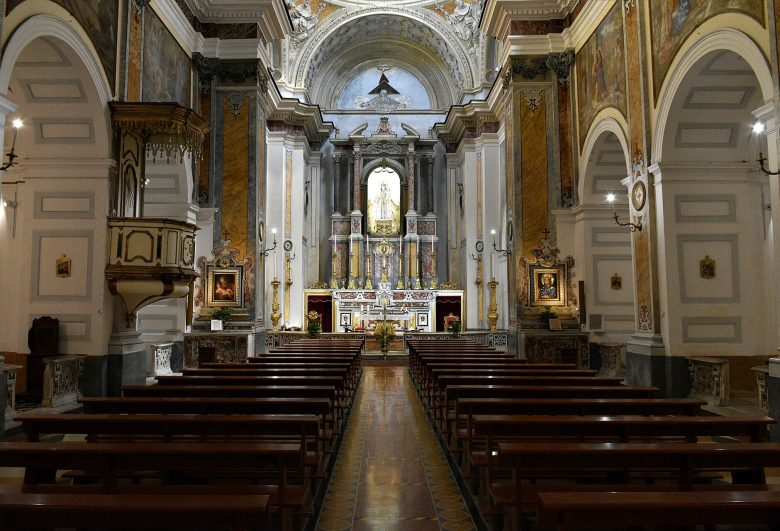
Church of Sant'Orsola a Chiaia
The religious structure, in the past, was nothing more than a small noble chapel built around the mid-16th century by the Spanish noble Annibale de Troyanis y Mortella and dedicated to Saint Ursula. In 1569 it was donated to the fathers of the Order of Santa Maria della Mercede, who demolished it in 1576 to make room for a larger factory to which the new convent was annexed. In 1850 the church was remodeled; in 1875 the cloister that housed the monks' cemetery was demolished and the Sannazaro Theater was built in its place. The convent continued to be inhabited by the Mercedari Fathers until 1923.